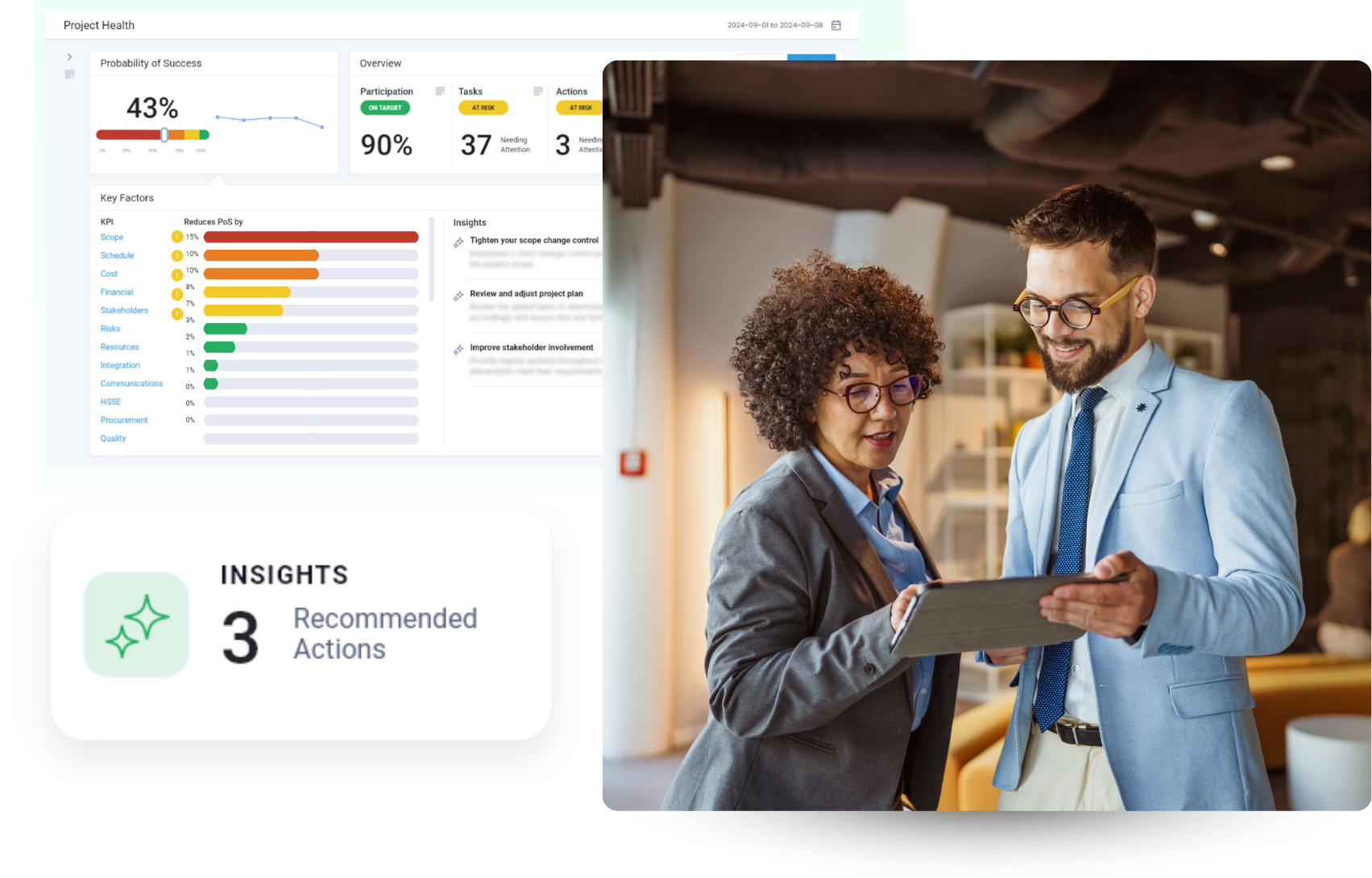

Have you ever visited a retail website, browsed products, added a few items to your shopping cart, and logged off? It is a familiar scenario, right? But here’s where it gets interesting: You soon see an ad on social media featuring products from the categories you were interested in. Shortly after, you receive an email reminding you of the items in your cart and details about nearby stores where you can pick them up. This seamless follow-up isn’t just about enhancing your shopping experience—it’s about the robust technology working behind the scenes to make it all possible.
A network of technology-driven projects is at the heart of every successful omnichannel strategy. These include centralized data platforms, integrated analytics tools, and advanced algorithms that enable smooth communication between systems. Such technologies ensure that customer interactions across platforms are consistent and adaptive to individual preferences and behaviors.
In today’s digital world, where consumers interact with brands through mobile apps, social media, websites, and physical stores, providing a unified experience isn’t just optional—it’s essential. Omnichannel strategies powered by predictive intelligence enable businesses to anticipate customer needs, optimize resources, and create cohesive, data-driven operations.
This article will explore how B2B businesses can enhance their omnichannel strategies by leveraging technology, particularly predictive intelligence, to streamline operations and elevate customer experiences. Furthermore, it will explore how predictive project management applies similar principles to revolutionize large-scale projects by anticipating risks, optimizing workflows, and ensuring smooth execution.
What is an Omnichannel Experience? 
At its core, an omnichannel experience creates a cohesive, integrated interaction between a customer and a brand across multiple platforms. Gone are the days when operating on multiple channels was enough. Now, each channel must work harmoniously, creating a seamless experience for the customer.
For instance, a B2B buyer might start by researching your company’s product line on their desktop, receive an email with tailored recommendations, engage with a sales rep via phone, and finalize the purchase on a mobile app. The customer expects consistent information, personalized recommendations, and a frictionless experience throughout this process. That’s the power of omnichannel.
This approach requires more than good customer service—it demands a data-driven strategy. To optimize an omnichannel experience, businesses need to predict operational challenges and proactively adjust processes to meet customer needs effectively. This is where predictive intelligence comes into play, enabling businesses to enhance efficiency and ensure smooth operations across all channels.
The Importance of Seamless Omnichannel Experience for B2B Businesses Today
The omnichannel experience has already transformed consumer-facing industries, but its role in B2B is growing just as quickly. According to a study by Harvard Business Review, customers who interact with brands through multiple touchpoints spend 10% more online and 4% more in physical stores than single-channel customers. While these numbers are from the retail sector, the same principles apply to B2B interactions.
Today’s B2B customers expect the same level of personalization, convenience, and seamlessness that they experience in their personal lives as consumers. Whether engaging with your sales team, using self-service portals, or working with your customer support team, they want a unified experience.
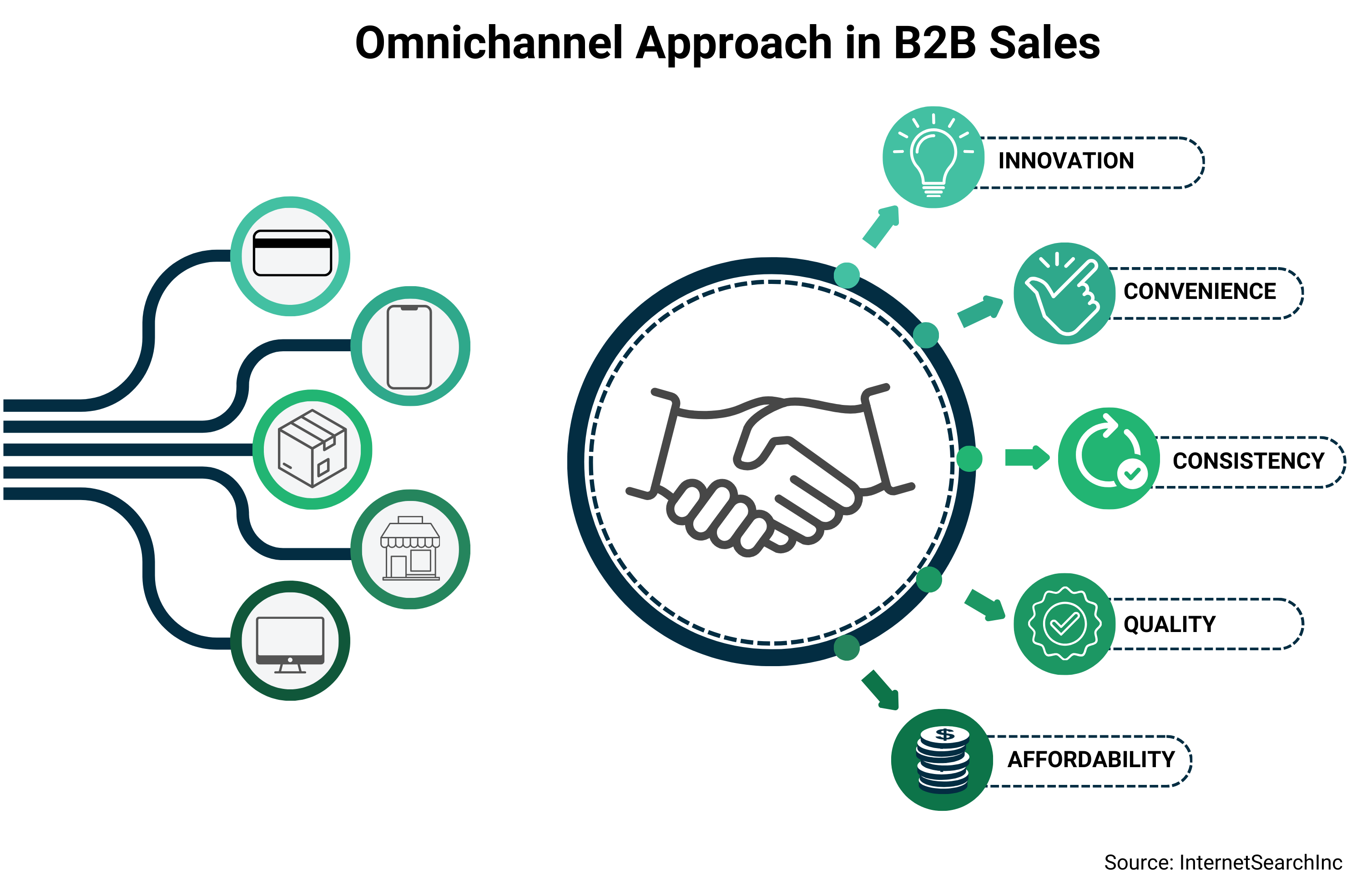
A successful B2B omnichannel strategy helps companies achieve several critical objectives:
• Consistency Across Platforms - The messaging and service must remain consistent across platforms, from phone calls to emails to CRM interactions.
• Personalization - Omnichannel enables businesses to deliver tailored experiences based on a customer’s history and needs, regardless of the platform they’re using.
• Increased Loyalty - Customers who feel understood and valued across multiple touchpoints are more likely to stay loyal and increase engagement.
But omnichannel goes beyond just customer satisfaction. It impacts how businesses function internally, especially in resource allocation, sales alignment, and service delivery.
Predictive Intelligence: The Quiet Enabler of Successful Omnichannel Experience
While omnichannel strategies optimize the customer journey, predictive intelligence works quietly behind the scenes to enhance the entire process. Predictive intelligence uses machine learning, AI, and data analytics to forecast future behaviors based on historical data. This means businesses can predict a customer’s next move, enabling them to adjust their messaging, resource allocation, and overall strategy in real-time.
For example, consider a B2B technology company using predictive intelligence. By analyzing past customer purchases and engagement metrics, the company can foresee when a key client might be due for an upgrade. Predictive insights allow the sales team to reach out at the perfect moment with a tailored offer, increasing the likelihood of closing a deal.
In this way, predictive intelligence becomes a subtle but powerful driver of omnichannel success. It doesn’t dominate the strategy but ensures that data informs every decision made along the customer journey.
The same principles apply to predictive project management in B2B environments. Large-scale projects, especially in industries like manufacturing or infrastructure, can benefit from predictive tools that anticipate supply chain disruptions or resource bottlenecks. Using predictive intelligence, project managers can make proactive adjustments that keep projects on time and within budget.
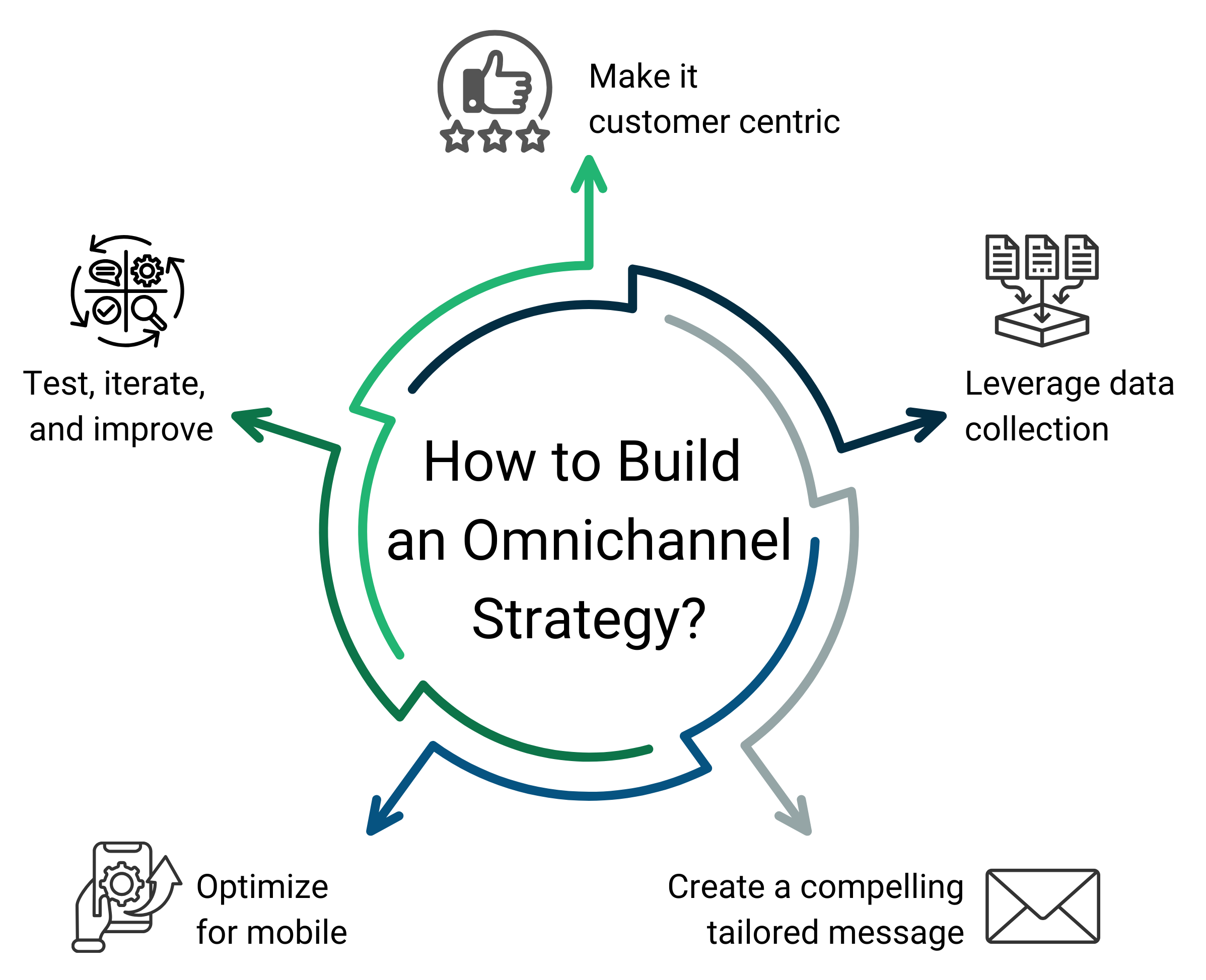
The Evolution of B2B Customer Journeys in an Omnichannel World
The modern B2B buyer journey is more complex than ever. Gone are the days of single-touchpoint interactions. Today’s customers expect to interact across platforms, sometimes making decisions based on information gathered from several sources.
For example, a B2B buyer might start by reading an industry report on your website, then engage with a sales team through a customer portal, and finally use a mobile app to track their order. Each touchpoint must provide consistent information, and every interaction must build on the last. If one touchpoint is inconsistent or confusing, the buyer may lose trust in your brand.
This is why data centralization is crucial to a successful B2B omnichannel strategy. All customer data must be synchronized across platforms, ensuring that the sales team, customer service representatives, and marketing departments work from the same playbook.
Predictive intelligence helps businesses go a step further by offering insights into each client's future behavior. Is a client likely to need more inventory next month? Are they showing signs of disengagement? Predictive analytics allows businesses to take action before the problem arises.
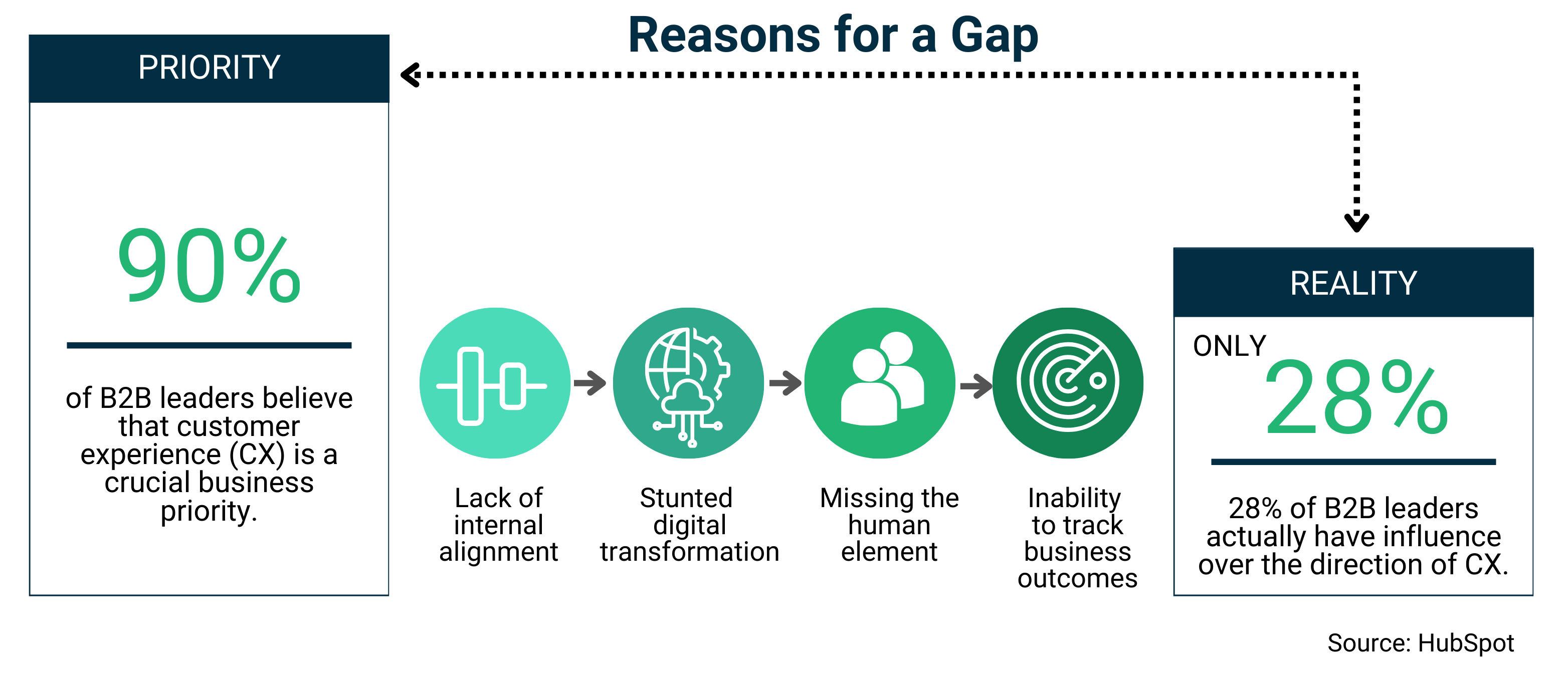
Bridging Omnichannel Experiences and Predictive Project Management
The benefits of omnichannel don’t stop at customer engagement. These same principles can be applied to project management, especially for complex B2B infrastructure projects. In these cases, predictive intelligence ensures that every aspect of the project is interconnected, much like an omnichannel experience that connects the dots in customer journeys.
Consider a large-scale construction project with multiple stakeholders, contractors, and suppliers. The ability to centralize data and connect every phase of the project—from procurement to execution—becomes critical. Predictive project management can identify potential delays before they occur, optimize resource allocation, and provide a unified view of the project in real-time.
As omnichannel experiences ensure customers move seamlessly across platforms, predictive project management ensures that your project stakeholders move seamlessly through each phase, connected by shared data and insights.
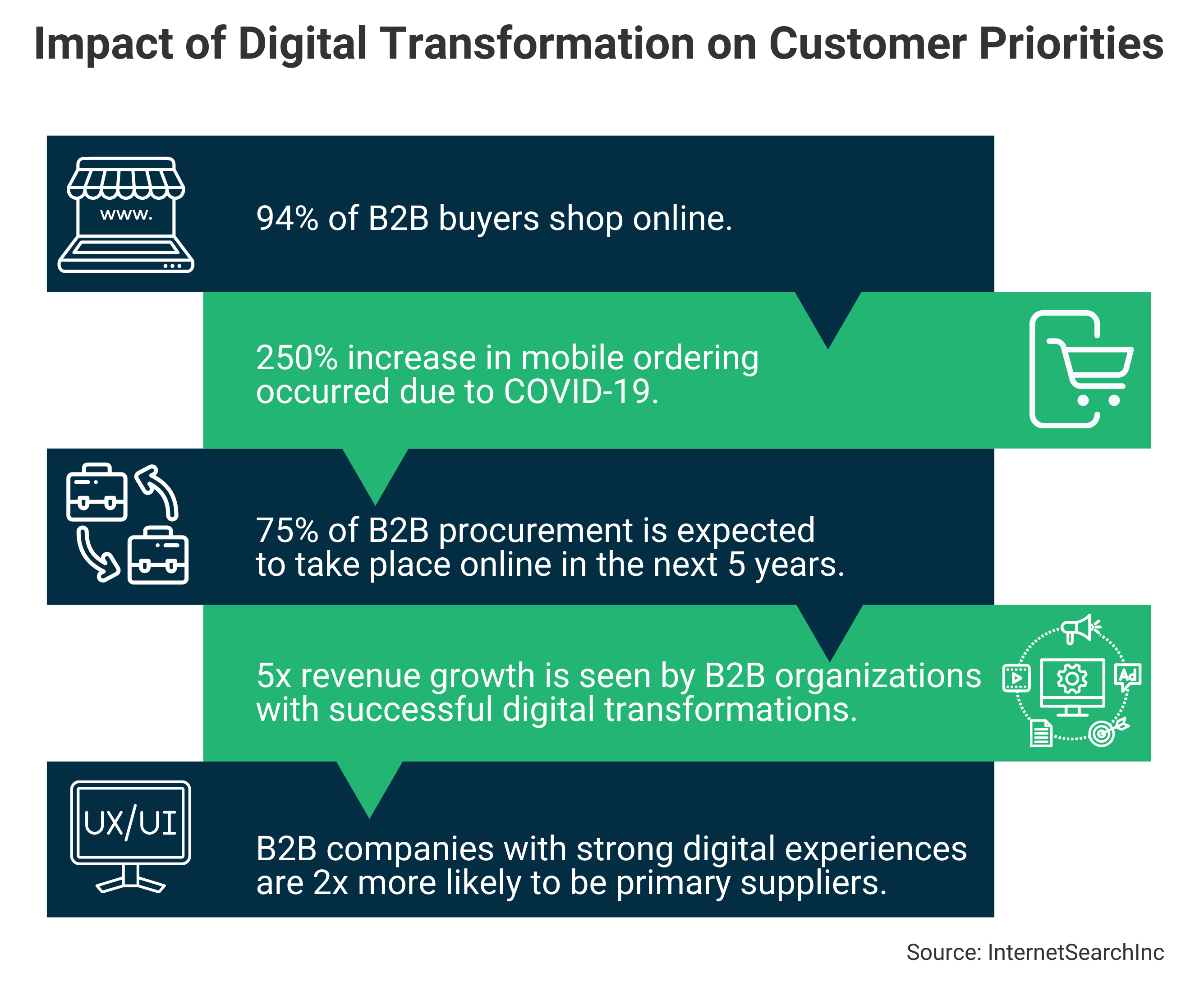
The Executive’s Role in Seamless Omnichannel Integration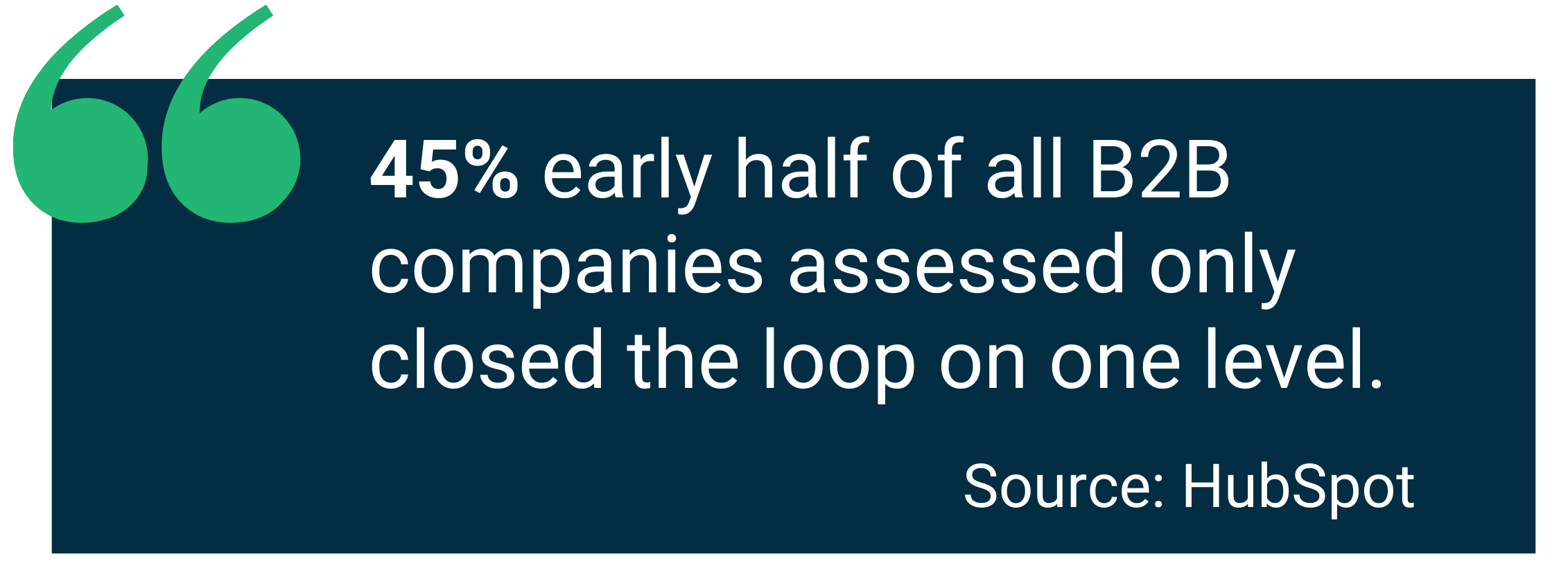
For B2B leaders, mastering the omnichannel experience means fostering an organization-wide commitment to a unified customer journey. It requires collaboration across departments, from marketing and sales to operations and finance, all working toward a shared goal: delivering a seamless experience at every touchpoint.
Executives play a critical role in breaking down silos within their organization, ensuring that the right tools are in place to centralize data and offering teams the resources they need to succeed. Predictive intelligence can assist in this effort by giving executives real-time insights into customer behavior and internal performance, enabling data-driven decisions at every level.
In a project execution context, this means aligning project teams with predictive solutions that allow them to work more efficiently. When executives can see how resources are being used and predict potential roadblocks before they happen, they can better manage both customer expectations and project outcomes.
Best Practices for Implementing B2B Omnichannel Experience Strategies with Predictive Intelligence 
While implementing an omnichannel strategy may seem complex, it can be simplified by following best practices that integrate predictive intelligence for optimized results:
- Centralize Data Across All Touchpoints: Every customer interaction should be captured in a single system, from email engagement to customer service calls. This allows teams to access the same data and ensures consistency across all channels.
- Use Predictive Solutions to Anticipate Customer Behavior: Predictive intelligence tools can analyze vast amounts of data in real-time, helping you anticipate when customers might disengage, when they are ready for an upgrade, or when supply chain issues might arise.
- Encourage Collaboration Across Departments: Success in omnichannel requires collaboration between sales, marketing, customer service, and IT. Predictive intelligence can help align these departments by providing data-driven insights that support unified strategies.
- Optimize in Real Time: Omnichannel strategies and predictive project management require constant monitoring. Use predictive tools to track performance and adjust your approach to ensure your strategy remains relevant and effective.
Conclusion: The Future of Omnichannel Experiences with Predictive Intelligence
Omnichannel experiences revolutionize B2C and B2B environments, driving trust, engagement, and revenue by ensuring seamless interactions across all touchpoints. Predictive intelligence elevates this further, offering data-driven insights that empower businesses to anticipate challenges and optimize customer-facing and internal operations. For executives, combining omnichannel strategy with predictive project management is key to future-proofing operations, enabling proactive decisions, and maximizing every interaction for efficiency and growth.
TrueProject is positioned as a strategic leader in enhancing the B2B omnichannel experience through its advanced KPI-based predictive project management solutions. By integrating data-driven insights with a seamless user experience, TrueProject enables organizations to manage complex projects more effectively across multiple channels. This capability is essential in today's B2B landscape, where 74% of buyers prefer engaging with brands through various touchpoints, demanding a consistent and integrated experience.
Moreover, TrueProject's predictive analytics empower leaders to foresee potential project challenges and mitigate risks before they impact outcomes. This foresight enhances operational efficiency and builds client trust by ensuring transparency and accountability throughout the project lifecycle. As B2B buyers increasingly expect personalized interactions, TrueProject equips organizations with the tools to tailor their approach, ultimately driving higher customer satisfaction and loyalty while positioning them for sustained growth in a competitive marketplace.
More information on TrueProject at www.trueprojectinsight.com