

Quick Summary: Customer success management has evolved from a functional support role to a strategic discipline that determines whether organizations retain customers, drive revenue growth, and protect long-term value. As customer expectations intensify and silent churn increases, companies can no longer rely on reactive engagement or basic account management. Effective customer success management demands a proactive, data-driven approach grounded in predictive insights, continuous value delivery, and disciplined relationship stewardship. The leaders who excel at this transform customer outcomes, reduce friction, anticipate risks before they surface, and convert satisfied users into committed advocates. This article examines how modern CSM models, advanced analytics, and AI-powered project intelligence collaborate to enhance retention, boost renewals, and drive measurable business outcomes.
Customer Success Management: Driving Measurable Value and Strengthening Customer Loyalty
Customer success management (CSM) has become a core strategic priority for organizations that rely on recurring revenue and long-term customer relationships. Every product promises outcomes, yet many customers struggle to translate those promises into real progress once the initial momentum fades. Teams lose clarity, adoption slows, and the value of the solution often remains far below what leaders expected when they first invested.
CSM addresses this problem by guiding customers toward the outcomes they envisioned from day one. It creates a continuous path toward value realization by monitoring how customers use a solution, identifying friction early, and providing targeted support before challenges grow into setbacks. A well-designed CSM program can deliver a return on investment of up to 91% over three years, driven by improved customer retention and expansion. Strong CSM helps customers progress from basic adoption to confident usage, ultimately achieving high-impact results that directly align with business goals. It enhances renewal stability, strengthens account health, and protects customer lifetime value at a time when every enterprise is under pressure to do more with fewer resources.
As expectations rise and competitive pressure intensifies, organizations that prioritize customer success management gain a decisive advantage. They build trusted partnerships, deepen loyalty, and consistently deliver the outcomes customers cannot afford to miss, making CSM a strategic asset that drives long-term growth.
This article examines the evolving realm of customer success management, its pivotal role in the tech industry, how project management contributes to driving customer success, and how modern technology, such as predictive analytics, reshapes the landscape.
What Is Customer Success Management?
Most customers leave without ever telling you why—and that silence often points to gaps you didn’t see coming. Customer Success Management (CSM) is the discipline that helps organizations close those gaps before they turn into churn.
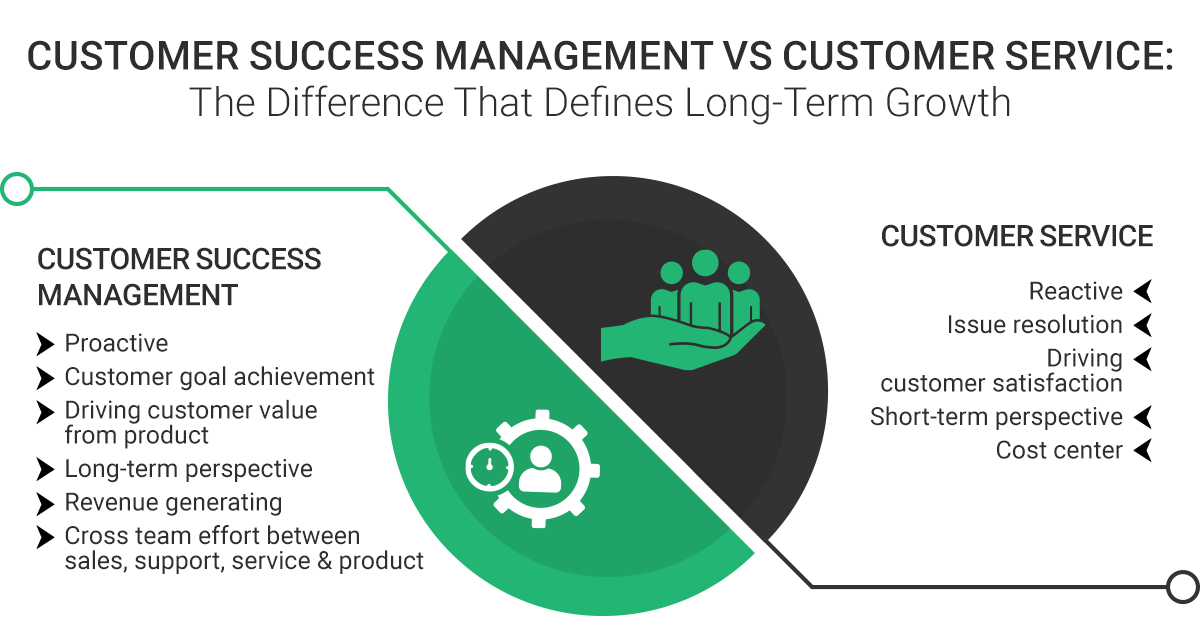
Customer Success Management ensures customers achieve the outcomes they expect from a product or service. It focuses on understanding customer goals, monitoring progress, and taking proactive steps that help customers realize measurable value throughout their lifecycle. Unlike traditional support, CSM goes beyond solving issues. It combines insights from service, sales, marketing, and product teams to guide customers toward continuous improvement and stronger results.
Effective CSM delivers timely guidance, targeted support, and ongoing education that help customers use a solution confidently and productively. By aligning customer activities with business objectives and anticipating challenges before they escalate, Customer Success Management strengthens satisfaction, retention, and long-term loyalty. It transforms customer relationships from transactional interactions into value-driven partnerships that contribute to sustained growth.
When customers expect value at every stage, the real question becomes how organizations keep that value consistent and that’s where a strong customer outcome strategy becomes essential.
See how TrueProject empowers your customer success with real-time insights and proactive risk management. Take the next step and experience TrueProject in action. Request a personal demo today.
Why Customer Success Management Matters—A Shift in Customer Management Philosophy
Recent studies show that customer success management has become a central discipline for organizations that depend on recurring revenue and long-term partnerships. It marks a shift from reactive customer support toward a structured, outcome-focused approach that protects retention and drives measurable value. Studies highlight that companies adopting CSM invest in continuous oversight of customer progress, careful monitoring of customer health, and early intervention when adoption slows or value perception weakens. This focus on value-in-use helps customers stay aligned with their business goals and significantly improves the likelihood of renewal.
In a market where customers can switch solutions with ease, consistent value delivery becomes essential. When progress stalls or results fall short, customers naturally look for alternatives. Strong CSM prevents this by maintaining clarity, encouraging sustained adoption, and keeping customers confident in the impact of their investment. This is where advanced, AI-driven project management systems strengthen CSM efforts. These platforms identify risks before they escalate, expose hidden gaps that undermine delivery, and give teams real-time insight into project health. Instead of reacting to issues after damage is done, teams receive early warnings, targeted recommendations, and clear guidance that helps them maintain trust and meet expectations with precision.Effective customer success management combines relationship management, data intelligence, and proactive oversight to ensure optimal outcomes. It helps organizations protect customer value, reduce churn, and build partnerships that grow stronger over time.
Even the strongest CSM strategy is tested when dissatisfaction stays hidden and customers never speak up.
CSM: Why Silent Dissatisfaction Is a Business Risk
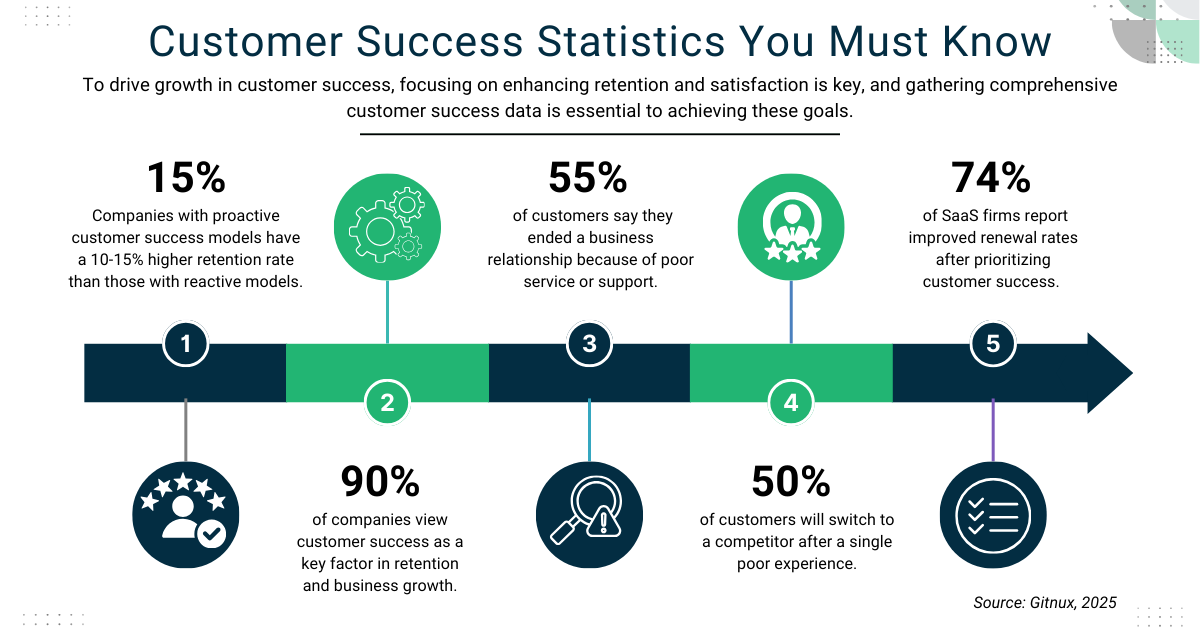
The importance of customer success management extends beyond just subscription-based businesses. Surprisingly, many customers with problems don't actually contact customer support. Industry sources suggest that as many as 97% of users who leave a product do so quietly, without reporting their issues or requesting help.
This silent churn creates a blind spot for businesses that rely on ongoing customer value and retention. When dissatisfaction goes unnoticed, customers disengage, reduce usage, and eventually drop out without warning. Strong CSM helps prevent this outcome by identifying friction early and keeping customers aligned with the results they expect. By monitoring customer health, guiding adoption, and resolving challenges before they escalate, CSM protects at-risk accounts that would otherwise disappear without a single complaint.
Effective customer success programs consistently reduce churn, strengthen customer retention, and enhance customer lifetime value. Beyond financial gains, they offer meaningful insight into how customers use a product and what they need to achieve sustained success. This deeper visibility creates healthier relationships and a more resilient customer lifecycle.
To counter silent churn, organizations need more than awareness; they require a disciplined customer success approach that delivers tangible results.
Stay ahead of risks and deliver continuous value to your customers. Discover how AI-powered project management ensures success from day one. Contact us to learn more.
What Is the Best Way to Structure a Customer Success Team?
Build a High-Performing Customer Success Team: Customer success relies on a team that is proactive, thoughtful, and committed to helping customers achieve tangible outcomes. This group differs from traditional account management. Their mission is to guide customers toward continuous progress, clarify roadblocks early, and ensure the value promised during the sale becomes value experienced in practice. A strong customer success team sets the tone for a consistent and positive customer journey, helping to protect long-term relationships.
Use a Customer Success Management Platform: As organizations scale, maintaining visibility across all customer relationships becomes increasingly challenging. A dedicated customer success management platform brings structure to that complexity. It centralizes customer data, renewal timelines, product usage patterns, past interactions, open issues, and engagement history. This consolidated insight enables teams to understand trends, identify recurring challenges, and prioritize accounts that require immediate attention.
The right platform should integrate seamlessly with existing CRM systems, allowing teams to monitor customer health, performance indicators, and communication touchpoints from a single location. This approach keeps customer information connected, current, and actionable, which supports better decision-making and stronger engagement.
Establish a Clear Customer Success Strategy: Effective customer success requires a strategy that anticipates customer needs and supports long-term objectives. It should guide teams on how to intervene, when to step in, and what actions will keep customers moving toward measurable outcomes. Organizations that refine their strategies based on customer input often see stronger retention and deeper loyalty. A thoughtful approach also ensures customer success efforts align with broader business goals.
Measure Performance with the Right KPIs: Success must be measured with precise and reliable metrics. Key performance indicators help organizations understand what is working, where friction exists, and which actions create the most substantial impact. These metrics serve as the foundation for improving processes and demonstrating the return on investment in customer success.
Relevant KPIs include:
- Monthly recurring revenue
- Customer feedback insights
- First contact resolution
- Retention cost
- Customer lifetime value
- Net promoter score
- Customer health score
- Customer satisfaction
- Customer effort score
- Churn rate
A robust KPI framework enables teams to assess performance objectively and refine customer success practices with clarity and confidence.
Once the right systems are in place, the actual value of customer success becomes clear in the outcomes it delivers.
What Are the Benefits of Customer Success?
Reduced Churn: Customers leave when they feel overlooked or when the value they expect is not consistently delivered. Customer success management mitigates this risk by maintaining a close connection to customer goals, monitoring signs of dissatisfaction, and taking prompt action when progress stalls. A well-executed customer success program transforms uncertain customer relationships into stable, high-value partnerships.
Higher Revenue Growth: Strong customer relationships create real revenue opportunities. Customer success teams understand how customers use the product, what outcomes they expect, and where additional value can be made. As a result, organizations grow revenue from existing accounts at a lower cost than acquiring new customers. Consistent value delivery becomes a driver of sustainable, recurring revenue.
Stronger Renewal Performance: Modern customers expect solutions that continually improve and support their evolving needs and goals. Renewal decisions are rarely about contracts. They are about confidence. CSM strengthens this confidence by keeping customers informed, supported, and aware of the impact they are receiving. With clear communication, proactive engagement, and continuous value reinforcement, renewal cycles become smoother and more predictable, reducing the friction that often leads to churn.
Increased Positive Referrals: When customer success efforts exceed expectations, they turn customers into advocates who recommend the product within their networks. These referrals enhance brand credibility, foster organic growth, and frequently result in high-quality opportunities at a lower acquisition cost. They also create material assets such as testimonials, case studies, and reference calls that reinforce the brand’s reputation in the market.
The upside of customer success is significant, yet achieving it requires overcoming hurdles that many teams underestimate.
What Are the Challenges of Customer Success Management?
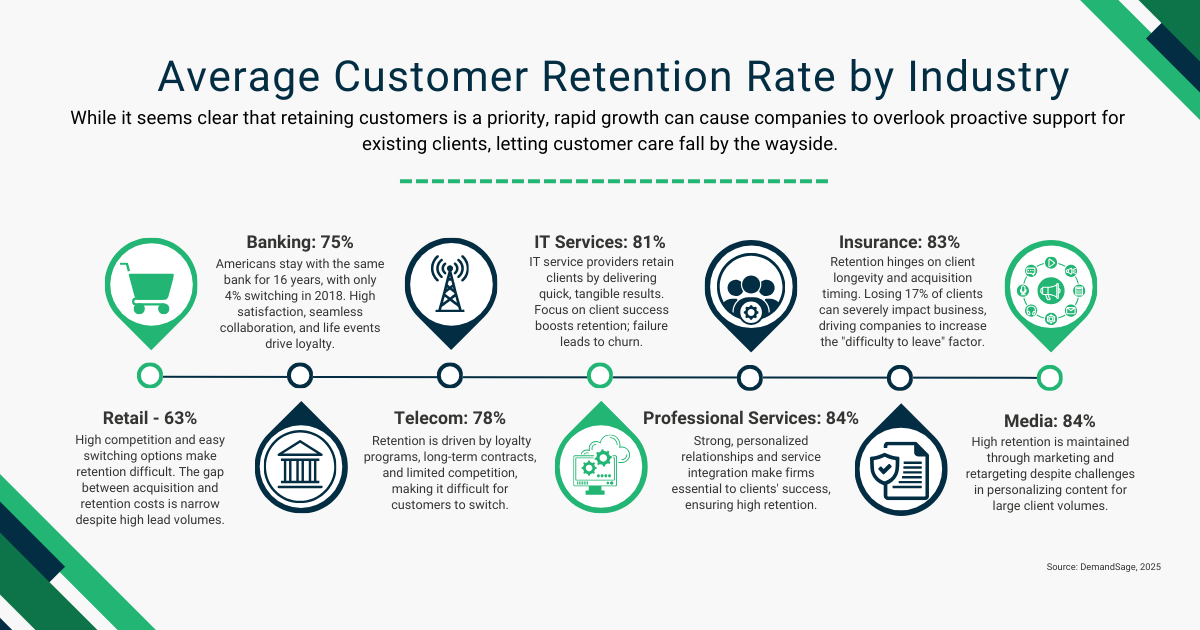
Customer success management strategies provide numerous opportunities to reduce turnover rates, increase revenue, and cultivate stronger customer loyalty. However, it does come with its own unique set of obstacles and difficulties. Here are some of the most common challenges you may encounter:
- Monitoring Customer Usage: One of the primary challenges to customer success today revolves around monitoring customer usage effectively. It's not feasible to constantly ask your customers how frequently they use your offerings. As a result, many customer success managers struggle to obtain precise data on user product adoption. Without this crucial information, you will struggle to rescue accounts at risk and proactively minimize customer churn.
- Maintaining Strong Relationships with Every Customer: According to a Salesforce survey, a staggering 76% of customers expected organizations to meet their needs and understand their expectations. When your customer base is small, it's relatively easy to interact regularly with each customer. However, maintaining a personal touch with everyone becomes increasingly challenging as the organization grows.
- Failing to Find Value: One of the biggest challenges of customer success management is when your customers fail to discover the value in your product. They initially bought your product or service with certain expectations, but over time, they realized it wasn't delivering the expected value. This can lead to frustration as they incur additional costs to keep using your product. Eventually, this dissatisfaction may prompt them to cancel their subscription.
So, how do you overcome these challenges? By leveraging modern technology solutions, especially AI-powered project management solutions. We briefly touched on the advantages of predictive analytics in project management. Now, let’s examine in depth how modern technology enhances customer success management, driving measurable impact and long-term value.
Overcoming these obstacles requires more than effort; it requires a proper customer success foundation tailored to your stage of growth.
Turn customer success challenges into opportunities. See how AI-powered insights drive engagement, retention, and long-term value. Explore TrueProject now.
The Right Customer Success Solution for Your Business
A strong Customer Success approach is essential for any organization that depends on long-term customer value. The right solution varies by company size, resources, and growth stage, which is why understanding your customer success maturity is the first step. When you know your organization's current position, you can determine your next course of action.
Start With Your Maturity Level
Use a structured maturity model to understand how equipped your organization is to support customers. Your maturity level guides the direction of your Customer Success strategy:
- Early-stage teams benefit from digital-first customer success programs that efficiently scale outreach and support.
- Advancing teams can introduce automation that reduces manual effort and strengthens consistency across large customer bases.
- Mature organizations often manage thousands of customers by combining digital interactions with targeted CSM involvement to drive outcomes at scale.
Choose a Solution That Fits Your Needs
Once you understand your maturity, you can select a customer success platform that supports your goals:
- Small teams may start with simple, easy-to-adopt solutions that streamline communication and track customer progress.
- Growing companies should seek platforms that offer automated rules, alerts, customer health insights, and lifecycle management.
- Enterprise organizations require comprehensive systems that support complex processes, provide predictive insights, and offer detailed customer journeys across multiple segments.
Additionally, embrace the AI-powered solution for deeper customer insights. The solution captures user behavior, collects feedback, and shows how each action influences customer outcomes and ROI. This level of visibility helps teams make informed decisions, refine their approach, and deliver consistent value throughout the customer lifecycle.
A customer success management platform sets the direction, but AI-powered project management gives it the precision and speed needed to drive real results.
How AI-Powered Project Management Solutions Boost Customer Success
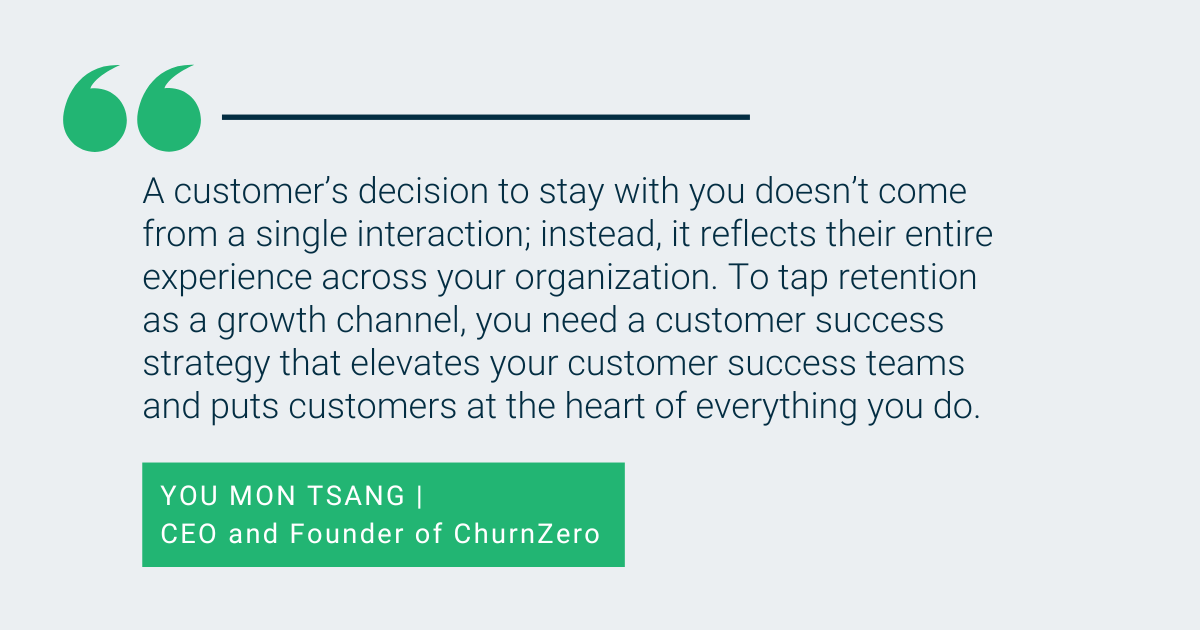
The AI-driven project management solution enhances the impact of customer success by providing teams with deeper visibility into project health and customer outcomes. These systems highlight risks early, reveal hidden gaps, and provide real-time recommendations that support faster and more informed action. Teams gain clarity on customer progress, identify issues before they affect satisfaction, and ensure every customer stays on track. AI for customer success strengthens retention, improves renewals, and supports a more accurate, outcome-focused Customer Success strategy.
For example, you can predict when your customer might face a technical glitch based on their usage patterns and proactively offer a solution. Furthermore, they evaluate and watch over customer relationships by tracking project health.
Advanced predictive retention analytics can transform customer success management, but only when supported by a clear and disciplined strategy.
Tips to Build a Robust Customer Success Management Strategy
 Understand Your Customers
To make customers happy, know what they want. You can conduct assessments, surveys, focus groups, or talk to industry experts. Understanding their needs helps you improve your products and services.
 Focus on Customer Success
Start focusing on customer success early in your company's growth. Make it a part of your culture and marketing strategy. Demonstrate to potential customers that you care about their success from the outset.
 Map Out Customer Success Management Process
Plan out how customers will interact with your company throughout their journey. This involves different departments, so map out these interactions to ensure a clear understanding. It helps ensure that every step in the process is well-handled, from feedback collection to decision-making.
 Add Value to Your Customer Success Management Strategies
Look for opportunities to add value to customer interactions. Utilize advanced analytics to deliver strategic recommendations and pinpoint gaps that your customers may not be aware of. Using predictive solutions to offer personalized training and sharing relevant resources helps you position yourself as a trusted advisor. When customers see you're not just managing projects but actively driving their success, loyalty follows.
 Be Proactive
Don't wait for customers to come to you with problems. Use the predictive project management solution to analyze patterns, predict risks, flag potential issues before they escalate, and address concerns before they arise. Be proactive in addressing your customers’ problems and inform them about updates and new project offerings.
 Measure Your Efforts
Track key metrics to gauge the effectiveness of your customer success management efforts. Measure things like repeat purchases, customer retention costs, and satisfaction scores. Monitoring these metrics through predictive intelligence helps you continually improve your customer success process.
The Future of Customer Success: Proactive, Data-Driven, and Powered by Predictive Intelligence
Customer success management isn’t just about keeping customers happy; it’s about ensuring they see long-term value in every interaction with your business. A reactive approach is insufficient in a fast-paced world where customer expectations evolve rapidly. The future of CSM is proactive customer success management strategies powered by data, AI-driven insights, and predictive analytics. This data-driven customer success strategies help you stay ahead of risks, anticipate customer needs, and build lasting relationships that drive growth. The companies that get this right don’t just retain customers; they create advocates who fuel long-term success.
This is where TrueProject, a SaaS-based strategic project intelligence solution powered by predictive AI, comes in. It foresees project risks weeks or even months in advance. By continuously analyzing project data and stakeholder input against key performance indicators, it delivers clear, actionable insights—empowering leadership to act decisively from any dashboard before problems ever surface. Additionally, it provides accurate health and status updates for all projects, flexible monitoring with customizable dashboards, and a 360-degree view based on both soft and hard data, tracking progress according to individual customer success plans and/or cohort monitoring. By proactively identifying risks and providing real-time insights, TrueProject empowers your customer success management teams to address challenges before they escalate, ensuring smoother project execution and stronger customer relationships.
Whether you are a small or large company, predictive CSM trends can substantially impact customer loyalty, churn rates, revenue generation, and various other aspects. Therefore, it's not just about selling more; it's about helping customers achieve their objectives.
Don’t wait for risks to surface. Get your project health SnapShot and see what your team needs right now.
FAQs for Customer Success Management
Q1. What is customer success management, and why is it important for long-term retention?
Customer success management ensures that customers achieve their expected outcomes, maintain engagement, and stay aligned with business value, thereby strengthening retention and reducing churn.
Q2. What is the best way to build a customer success strategy for a SaaS business?
The most effective approach involves mapping the customer journey, utilizing predictive analytics, establishing clear KPIs, and proactively addressing adoption risks.
Q3. How does AI-powered project management improve customer success outcomes?
AI tools predict risks earlier, analyze customer behavior, provide real-time recommendations, and help teams take action before issues impact satisfaction or renewals.
Q4. How do I measure whether my customer success management efforts are working?
Track metrics like customer lifetime value, recurring revenue, health scores, satisfaction, and churn rate to understand performance and make improvements.
Q5. What are the biggest customer success challenges, and how do companies fix them?
Common challenges include monitoring usage, maintaining relationships at scale, and helping customers realize the value of our solutions. AI-driven insights help teams address these issues proactively.
Q6. What is the best way to prevent silent churn in customer success?
Monitor customer health data, track usage patterns, and intervene early when engagement drops. Predictive systems help identify dissatisfied customers who never report issues.
Q7. How do I choose the right customer success solution for my business stage?
Evaluate your customer success maturity, team size, processes, and scaling needs, then select a solution that matches your operational complexity.